Why Smart Home Integration Is Now the Most Important Robot Vacuum Feature
In 2026, a robot vacuum that only responds to a button press on a physical remote feels like a relic. The difference between a robot vacuum that sits awkwardly in your smart home ecosystem and one that genuinely integrates into it is enormous — we're talking about the difference between a slightly convenient appliance and a device that actually changes how you live at home.
Smart home integration has moved from a checkbox feature to a genuine differentiator. With voice assistants maturing, the Matter interoperability standard finally delivering on cross-platform promises, and companion apps becoming more sophisticated each year, the question isn't whether your next robot vacuum should integrate with your smart home — it absolutely should — but which ecosystem it plays best with and how deep that integration goes.
This guide breaks down everything you need to know about robot vacuum smart home integration in 2026: which voice platforms work best, what companion apps actually offer beyond basic scheduling, and which models from our tested lineup deliver the most seamless smart home experience. Because after testing dozens of units, we can say confidently: the hardware gap between premium robot vacuums has narrowed, but the software and ecosystem gap is wider than ever.
Smart Home Platforms: Alexa, Google Home, Apple HomeKit, and Matter
Amazon Alexa
Alexa remains the most widely supported voice assistant for robot vacuums. Nearly every major manufacturer — Roborock, iRobot, Ecovacs, Dreame, Narwal, and Samsung — publishes an official Alexa skill. At a minimum, Alexa support means you can start, stop, and dock your robot with a voice command. Better integrations let you trigger cleaning by room name, provided your robot supports multi-room mapping and you've taken the time to label rooms properly in the companion app.
The Roborock S8 MaxV Ultra is one of the strongest examples of deep Alexa integration — you can send it to specific mapped rooms by name, start and stop mopping independently, and check cleaning status, all through voice. This level of granularity is what separates a genuinely useful integration from a surface-level one that only knows "start" and "stop."
Google Home
Google Home compatibility is nearly as universal as Alexa's, and for Android-first households, it's often the more natural fit. The standout advantage with Google Home is its Routines feature, which lets you trigger robot vacuum cleaning as part of broader automations — for example, starting a cleaning cycle automatically when your phone's location signals you've left home, or pausing a cleaning run when a Nest doorbell detects someone approaching. This kind of context-aware automation is where smart home integration really earns its keep.
Apple HomeKit and Siri
HomeKit remains the least commonly supported platform among robot vacuums, and this is a genuine frustration for Apple-centric households. The iRobot Roomba Combo j9+ stands out as one of the few premium robot vacuums with native Apple HomeKit support, making it the clear recommendation for anyone deeply embedded in the Apple ecosystem. Some Roborock models support Siri Shortcuts — a functional but less elegant workaround that lacks the automation depth of native HomeKit. If HomeKit matters to you, it genuinely narrows your options.
Matter and the Cross-Platform Future
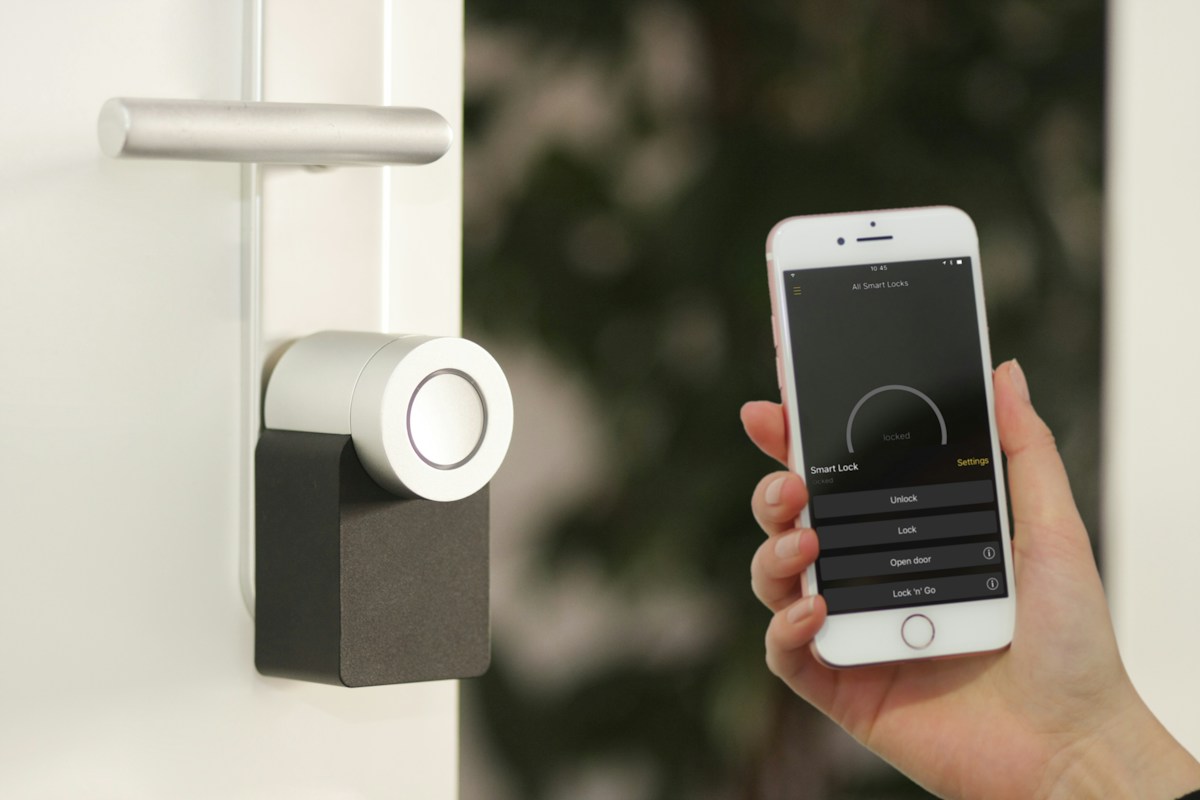
Matter, the interoperability standard backed by Apple, Google, Amazon, and Samsung, promises a future where robot vacuums work seamlessly across all platforms without manufacturer-specific apps or skills as the primary interface. Adoption in robot vacuums has been slower than in smart lighting and smart locks, but the direction is clear. For now, the practical advice is to prioritize native support for your primary ecosystem rather than waiting on Matter to fully mature in this category. It's coming — just not quite here yet in any meaningful way for vacuums.
Companion Apps: Where Smart Home Integration Actually Lives
For most robot vacuum users, the companion app is where smart home integration actually happens day to day. Voice control is convenient, but the app is where you configure room maps, set granular cleaning schedules, adjust suction power by zone, establish no-go areas, and review cleaning histories. A robot vacuum with mediocre app support is a frustrating smart home device regardless of how many voice assistants it technically supports.
Mapping and Zone Control
Multi-room mapping has become standard on mid-range and premium robot vacuums. The best implementations let you label individual rooms, assign different cleaning settings per room — higher suction in the kitchen, gentler mopping in the bedroom, skip the home office entirely on weekdays — and exclude specific zones persistently. The Ecovacs Deebot X2 Omni offers detailed room-level customization, and Ecovacs' AIVI obstacle avoidance further refines how it navigates complex real-world spaces. Roborock's equivalent mapping is widely regarded as the most polished in the industry.
Newsletter
Get the latest SaaS reviews in your inbox
By subscribing, you agree to receive email updates. Unsubscribe any time. Privacy policy.
Scheduling and Automation
Scheduling in 2026 has evolved well beyond "run at 9am every day." The better apps now let you create different cleaning schedules for different rooms, assign cleaning frequency based on room usage, and integrate with IFTTT or Apple Shortcuts for custom automations. The Narwal Freo X Plus pairs this scheduling depth with Narwal's distinctive auto-washing mop system, so you're not just automating cleaning — you're automating mop maintenance too, which significantly reduces hands-on time.
App Quality Is Not Equal Across Brands
Roborock's app is widely regarded as the best in class for depth of configuration without sacrificing usability. iRobot's app is polished and consumer-friendly, with particular strength for users new to robot vacuums. Ecovacs' app has improved significantly over the last two years but still shows occasional reliability inconsistencies. Dreame's app has matured rapidly and is now competitive. Narwal's app is functional but not as feature-rich as Roborock's. These differences matter: a great robot vacuum with a frustrating app is a worse smart home device than a slightly less capable one with excellent software.
Smart Home Integration Comparison: Top Robot Vacuums
| Model | Amazon Alexa | Google Home | Apple HomeKit | Multi-Room Mapping | SmartThings |
|---|---|---|---|---|---|
| Roborock S8 MaxV Ultra | Yes | Yes | Siri Shortcuts | Yes (multi-floor) | No |
| iRobot Roomba Combo j9+ | Yes | Yes | Yes (native) | Yes | No |
| Ecovacs Deebot X2 Omni | Yes | Yes | No | Yes | No |
| Samsung Bespoke Jet Bot Combo AI | Yes | Yes | No | Yes | Yes (native) |
| Dreame X40 Ultra | Yes | Yes | No | Yes | No |
| Narwal Freo X Plus | Yes | Yes | No | Yes | No |
| Roborock Q Revo MaxV | Yes | Yes | Siri Shortcuts | Yes | No |
Our Top Picks by Smart Home Ecosystem
Best Overall Smart Home Integration: Roborock S8 MaxV Ultra
The Roborock S8 MaxV Ultra earns the top spot for smart home integration through the combination of deep Alexa and Google Home support, Roborock's best-in-class companion app, and genuinely useful AI obstacle avoidance that makes automated cleaning actually reliable. The app's room-level customization — different suction and water flow settings per room, persistent no-go zones, and multi-floor mapping — represents the state of the art in 2026. If you're optimizing purely for smart home capability and don't need native HomeKit, this is the benchmark everything else is measured against.
Best for Apple HomeKit Households: iRobot Roomba Combo j9+
For Apple-first households, the iRobot Roomba Combo j9+ is the clear choice among premium combo vacuums. Native HomeKit support means it appears in the Home app, responds to Siri without workarounds, and participates in HomeKit automations alongside your lights, locks, and thermostat. iRobot's Imprint Smart Mapping is mature and reliable, with room-specific scheduling that rivals the best in the business. The HomeKit advantage alone is enough to justify choosing iRobot over equally capable competitors if your ecosystem is Apple-first.
Best for Samsung SmartThings Households: Samsung Bespoke Jet Bot Combo AI
If your home already runs on SmartThings — Samsung TVs, SmartThings-compatible appliances, SmartThings sensors — the Samsung Bespoke Jet Bot Combo AI is worth serious consideration. Native SmartThings integration means the Jet Bot can respond to SmartThings automations in ways that go beyond voice commands: it can start cleaning when a motion sensor detects you've left the house, or pause when a door sensor registers someone entering. This depth of multi-device automation is genuinely compelling and hard to replicate with generic Alexa or Google integrations.
Best Budget-Friendly Smart Home Robot Vacuum: Roborock Q Revo MaxV
Smart home integration shouldn't require spending top dollar. The Roborock Q Revo MaxV brings the same Alexa, Google Home, and Siri Shortcuts support found in Roborock's flagship models, paired with solid multi-room mapping and the same reliable Roborock app. You sacrifice some of the premium obstacle avoidance and mopping refinements of the S8 MaxV Ultra, but the smart home software experience is nearly identical. For buyers who want capable ecosystem integration without paying flagship prices, the Q Revo MaxV is the honest recommendation.
What CES 2026 Reveals About the Future of Robot Vacuum Smart Home Integration
CES 2026 offered an unusually clear picture of where robot vacuums are heading, and smart home integration is central to that trajectory. Roborock's Saros robot vacuum — which generated significant attention at CES with its wheel-leg design capable of navigating stairs — represents an entirely new category of whole-home robot that will require far more sophisticated smart home integration than today's single-floor models. A robot that traverses your entire home across multiple levels needs to know substantially more about your home's layout, your daily routines, and your preferences room by room and floor by floor.
Meanwhile, Narwal's CES announcements continued the brand's emphasis on navigation intelligence, and Dreame pushed suction power to a new benchmark of 35,000 Pa with the X60 — a record-setting figure that signals the raw cleaning power side of the equation is largely being solved. When cleaning performance reaches this level, competitive differentiation shifts decisively toward software, automation depth, and ecosystem integration quality. The brands investing most heavily in smart home software today are positioning themselves for the next phase of competition.
The broader trend is unmistakable: manufacturers are increasingly differentiating on software and ecosystem fit, not just hardware specifications. Suction power and mopping quality matter, but the robot vacuums that will define the next several years are the ones that feel genuinely embedded in your home's digital life — not just capable of responding to a voice command, but proactively cleaning the right rooms at the right times based on how you actually live, integrating with the other smart devices in your home, and requiring minimal manual intervention to function optimally.
For buyers today, the practical takeaway is straightforward: choose a robot vacuum that natively matches your primary smart home ecosystem, invest time upfront in setting up room mapping and per-room automation rules, and treat the companion app quality as a first-class consideration alongside cleaning performance. The hardware matters enormously, but in 2026, the smart home software experience is where the real daily value lives — and the gap between the best and worst implementations is wider than most buyers realize before they bring one home.